
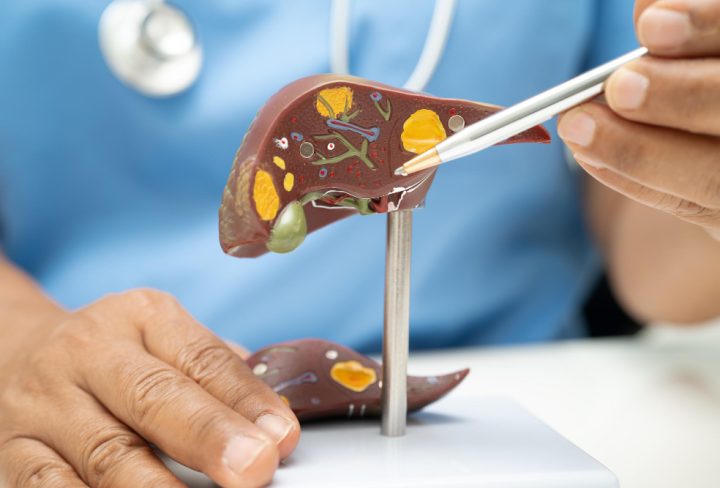
What Is Fatty Liver Disease?
Fatty liver disease happens when extra fat builds up in the liver. This condition is common, but many people do not know they have it. The liver helps your body digest food and remove toxins. When fat collects in the liver, it can cause silent liver damage. Over time, this may lead to scarring, also called cirrhosis. Early detection of fatty liver is important to prevent serious problems.
Why Is Fatty Liver Called a Silent Condition?
Often, fatty liver does not cause any symptoms at first. Because of this, many people do not realize their liver is being harmed. In fact, you may feel healthy while silent liver damage is happening. By the time symptoms appear, the liver may already be scarred. Therefore, regular check-ups are important, especially if you have risk factors.
Common Causes and Risk Factors
Several things can increase your risk of fatty liver disease. Knowing these can help you take action early. Common causes and risk factors include:
According to the CDC, fatty liver is more common in people with obesity or diabetes. However, anyone can develop it.
Signs and Symptoms to Watch For
Although fatty liver is often silent, some people may notice early signs. Watch for these symptoms:
Still, many people have no symptoms at all. For this reason, regular health checks are key.
How Is Fatty Liver Diagnosed?
Doctors use several methods to check for fatty liver. These may include:
Early diagnosis helps prevent liver scarring and other problems. If you have risk factors, ask your doctor about screening.
Treatment and Lifestyle Changes
There is no single medicine for fatty liver. However, making healthy changes can help reverse the damage. Doctors often suggest:
With these steps, many people can improve their liver health and prevent further damage.
Preventing Liver Scarring and Complications
Preventing liver scarring is possible with early action. Here are some tips to protect your liver:
According to the World Health Organization, early lifestyle changes can stop fatty liver from turning into cirrhosis.
When to See a Doctor
If you have risk factors or notice symptoms like tiredness or belly pain, see your doctor. Even if you feel fine, regular screening can catch silent liver damage early. Early treatment can prevent liver scarring and other serious problems.
In summary, fatty liver is a silent condition that can cause serious harm if not found early. However, you can protect your liver with healthy choices and regular check-ups. Consult a healthcare specialist for personalized advice and early screening for fatty liver disease.