Introduction
Many people search for interesting facts on stroke because strokes can affect anyone. Strokes are a leading cause of death and disability worldwide. However, knowing key stroke facts for the public can help you stay informed and safe. In this blog, you will learn about stroke basics, surprising statistics, myths, warning signs, prevention tips, and new treatments. Let’s explore what everyone should know about strokes.
What Is a Stroke?
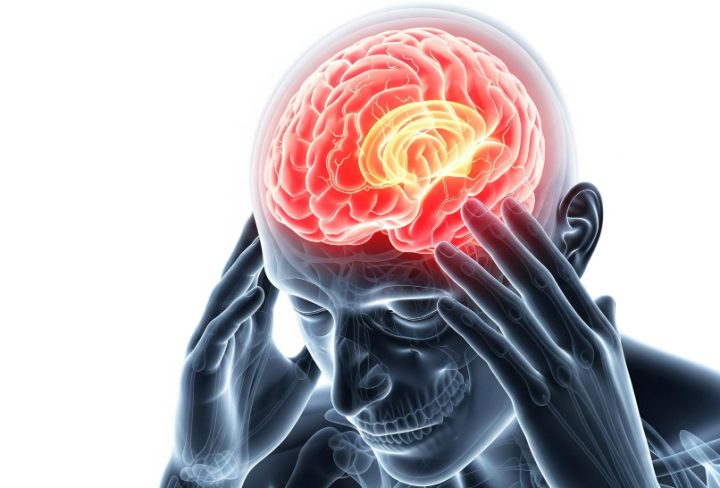
A stroke happens when blood flow to part of the brain stops. This can be due to a blocked blood vessel or a burst vessel. Without blood, brain cells start to die within minutes. Because of this, strokes are a medical emergency. Quick treatment can save lives and reduce damage. There are two main types of stroke:
Both types need fast medical care. Even a small delay can make recovery harder.
Surprising Statistics and Global Impact
Strokes are more common than many people think. According to the World Health Organization (WHO), over 15 million people worldwide have a stroke each year. Of these, about 5 million die, and another 5 million are left with lasting disabilities. In the United States, the Centers for Disease Control and Prevention (CDC) reports that someone has a stroke every 40 seconds. Every four minutes, someone dies from a stroke. These numbers show why stroke awareness is so important.
Clearly, strokes are a major health issue worldwide.
Common Myths and Misconceptions
Many myths about strokes can lead to confusion. Let’s clear up some common misunderstandings:
Knowing the truth helps you act fast and protect yourself or loved ones.
Unusual Symptoms and Warning Signs
Most people know the classic stroke warning signs, like sudden weakness or trouble speaking. However, strokes can also cause unusual symptoms. Because of this, it is important to watch for any sudden changes in how you feel. Here are some less common stroke warning signs:
If you notice any of these signs, call emergency services right away. Fast action can save a life.
Risk Factors and Prevention Facts
Some risk factors for stroke cannot be changed, such as age or family history. However, many risk factors are within your control. Here are some key stroke prevention tips:
By managing these risks, you can lower your chances of having a stroke.
Advances in Stroke Treatment and Recovery
Stroke treatment has improved a lot in recent years. Now, doctors can use special medicines to break up blood clots if given quickly. For some people, surgery can remove the clot or fix a burst vessel. Early treatment can limit brain damage and improve recovery. Rehabilitation, such as physical and speech therapy, helps many people regain skills. New research is finding better ways to help stroke survivors live full lives. Because of these advances, more people are surviving and recovering from strokes.
Lifestyle Tips for Stroke Prevention
Healthy habits can greatly reduce your stroke risk. Here are some simple stroke prevention tips:
Even small changes can make a big difference over time.
Conclusion
In summary, knowing interesting facts on stroke can help you stay safe and protect your loved ones. Remember, strokes are common but often preventable. Learn the warning signs, manage your risks, and make healthy choices every day. Consult a healthcare professional for personalized advice on stroke prevention and care.